Haircare by the Ages: Gen X, Gen Y, and Gen Z
Author: Shelly M.
Note: This article was written with the assistance of artificial intelligence and is for informational purposes only.
Published October 29, 2026
We all approach things so differently. You’ve heard the news. Slippers over high heels. Apps over face-to-face. Face-to-face over … ?
Well, the differences between humans born in Generation X, Generation Y – I mean, millennials – and Generation Z have become increasingly pronounced in the past couple of years. But what about in the realm of haircare? Do we value different regiments, styles, and techniques?
We explore just these ideas in the following article.
Gen Z Haircare Habits
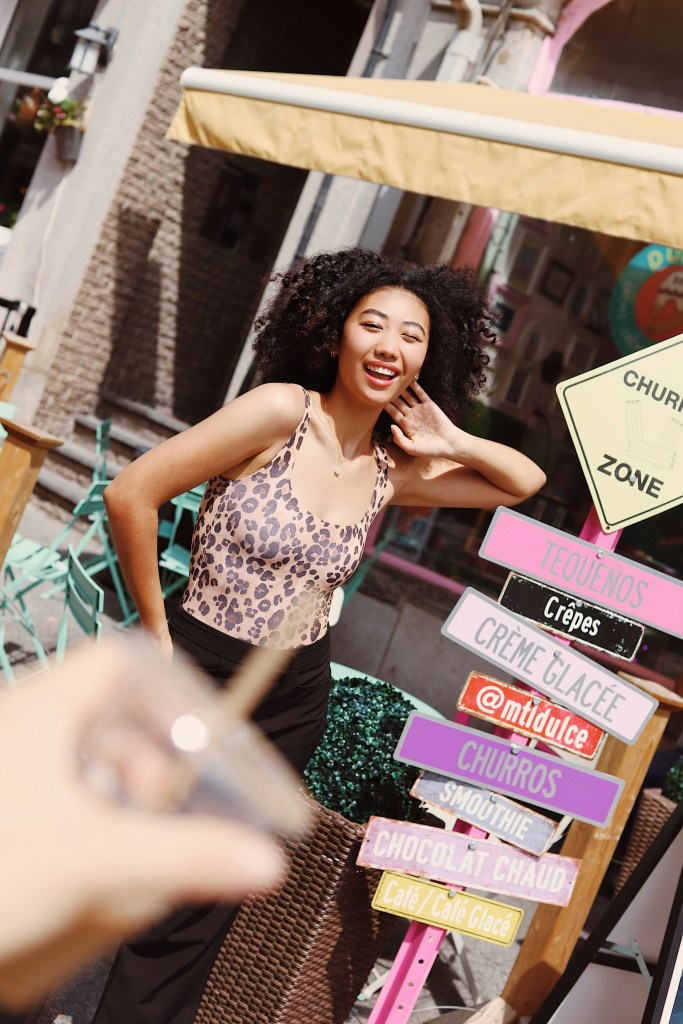
For Generation Z, haircare has transformed from a basic functional task into a cornerstone of holistic wellness and identity. Propelled by social media and an unprecedented access to ingredient data, young consumers are moving away from traditional, superficial styling methods. Instead, they are approaching hair health with the same rigorous, ingredient-first mindset they previously applied to skincare—a phenomenon often called the “skin-ification” of haircare.
The Rise of Hair Longevity and Scalp Care
One of the most defining shifts in Gen Z’s approach is the transition from reactive hair repair to preventative care. According to a report by Highlight, growing long, healthy hair ranks as the number one haircare priority for Gen Z women, followed closely by frizz management and scalp care.
This generation views the scalp as an extension of the face. Consequently, traditional styling items are taking a backseat to treatments that target the scalp microbiome. Products like K-beauty-inspired “scalp scalers” (pre-shampoo liquid exfoliants) and nourishing serums have become mainstream staples. Rather than investing in short-lived aesthetic trends, Gen Z treats their haircare routine as a dedicated self-care ritual meant to nurture long-term hair strength and vitality.
Ditching the Heat and Overconsumption
Data indicates that Gen Z is actively rejecting high-maintenance routines that cause cumulative hair damage. Data from Euromonitor International reveals a significant rise in young consumers embracing their natural hair texture. In parallel, the use of hair straighteners among 15-to-29-year-olds dropped from 51% in 2017 to 36% in 2021, accompanied by a similar steep decline in blow-dryer usage.
Furthermore, while the beauty industry frequently pushes multi-step regimens, Gen Z is leaning into minimalist routines. Recognizing that over-washing and product layering can strip the hair or cause friction damage, they prefer a “less but more intentional” ethos. They gravitate toward high-performance, multifunctional hybrid products (such as a single leave-in treatment that smooths, repairs, and protects) to minimize steps while maximizing results.
A Demand for Radical Transparency and Proof
As digitally native consumers, Gen Z relies heavily on peer recommendations. A survey published by Statista noted that 74% of Gen Z consumers purchase haircare products based directly on specific hair concerns, while 54% rely heavily on user reviews.
Gen Z effectively rejects corporate marketing hype and unrealistic before-and-after promises. Research by the International Logistics Group (ILG) shows that nearly half of Gen Z consumers extensively research ingredients, benefits, and third-party testing data before committing to a purchase. They are also highly price-conscious; less than one in five believe that a premium price tag automatically guarantees higher quality. For a haircare brand to win over Gen Z, it must justify its costs transparently, feature clean and sustainable sourcing, and provide measurable, science-backed proof of efficacy.
Gen Y (a.k.a., “Millennials”)

Much like Gen Z, the millennial haircare routine isn’t really just about superficial aesthetic maintenance; it is an active subset of their holistic wellness routines. As millennials cross deeper into adulthood, their attitudes toward haircare have dramatically evolved away from the mass-market norms of previous generations, shifting toward clean ingredients, biological solutions, and problem-solving transparency.
According to consumer market research data, millennial purchasing habits and attitudes reveal a hyper-focused approach to long-term hair health and hyper-personalization.
The Rejection of Over-Washing and Hyper-Personalization
Unlike Baby Boomers, who largely embraced the 1970s cultural norm of daily shampooing, millennials have significantly scaled back their wash frequencies. A landmark survey by customizable haircare brand Cloud 10 Hair Care revealed that only 15% of millennials choose to wash their hair daily, with the vast majority opting to do so just two to three times a week. This reduction has fueled a massive boom in dry shampoo technology and a rejection of formulas that strip natural oils.
Instead of a generic bottle off a supermarket shelf, millennials heavily favor targeted, customized regimens. The Cloud 10 report noted that 77% prefer shampoos and conditioners customized for their particular hair needs, heavily prioritizing strength, frizz control, and dryness reduction.
The “Skinification” of Hair and Targeted Biological Solutions
The modern millennial treats their scalp with the same meticulous care they once reserved for facial skincare. Dubbed the “skinification of haircare,” market data highlights that active ingredients like hyaluronic acid, caffeine serums, and biomimetic bond builders are heavily sought after to treat hair from the root.
| Millennial Haircare Priority | Driving Metric / Focus | Key Elements |
|---|---|---|
| Scalp Care & Longevity | Focus on prevention over cosmetic repair | Serums, biological solutions, root health |
| Clean Ingredients | 22% strictly avoid sulfates/parabens | All-natural, vegan, ingredient transparency |
| Problem-Solving | Focus on specific lifecycles and thinning | Stress-related shedding, postpartum thinning |
This biological approach is increasingly driven by concerns surrounding stress-induced thinning and aging. Research indicates that older millennials are explicitly seeking out targeted treatments and serums to address hair loss and density rather than masking issues with temporary cosmetic fixes.
Brand Curiosity and Social Media Influence
Data from market research firm Attest indicates that millennials aged 35–44 are actually the most brand-curious demographic in haircare, with 38% saying they regularly try new products from different brands compared to a national average of just 26.5%. This openness to trial is highly mediated by digital platforms. Boulevard consumer surveys found that 47% of millennials rely heavily on Instagram and TikTok activity when making decisions about what salons to visit or which products to buy.
However, this digital savviness means millennials are also highly critical of mainstream advertising. An estimated 74% of millennial women feel that the hair shown in typical mass media ads is completely unachievable, prompting a pivot toward creator-mediated transparency, peer reviews, and authentic representations of textured and natural hair. While legacy mass-market options like Dove Hair Care maintain strong baseline consideration among millennial women, niche, science-backed problem-solvers that offer distinct, clean ingredient formulas are capturing the generation’s long-term spend.
Gen X (born between 1965-1980)

Quietly redefining the multi-billion-dollar hair care market.
As the “sandwich generation” navigating peak career years, teenage children, and aging parents, Gen Xers approach their hair with a mix of pragmatism, nostalgia, and a demand for high-performance products. They are largely rejecting the aggressive “anti-aging” anxiety of past generations in favor of age-positive, strategically designed “hair longevity” solutions.
1. The Financial Powerhouse Driving “Prestige” Hair Care
For years, the beauty industry hyper-focused on Millennials and Gen Z, leaving Gen X feeling widely overlooked. According to research by AARP, 40% of Gen X women feel that the hair and beauty industry does not create products with their age demographic in mind.
Despite feeling ignored, Gen X is the primary spending force in beauty. According to CNBC, market research data shows that Gen X households account for a staggering 44% of total dollars spent on beauty. When broken down specifically by sector, Beauty Independent reveals that the older end of Gen X represents 34% of prestige hair care shoppers. They have the disposable income and the willingness to pay a premium for high-quality, clinical formulations that deliver visible results.
2. Strategic Longevity Over Aggressive Anti-Aging
Gen Xers are realists facing the tangible biological shifts of midlife, including hormonal shifts, perimenopause, and menopause. These physiological changes cause a decline in estrogen, which directly results in a loss of hair density, structural damage, and changing textures.
Rather than chasing unrealistic youth-targeted formulas, Gen X is driving a shift toward strategic hair longevity and “the skinification of hair”. They view the scalp as an extension of the skin and look for high-performance ingredients that repair hair from the root. Key product preferences include:
- Bond-Repairing Peptides: Rather than cosmetic coatings that temporarily mask frizz, Gen X favors science-backed treatments (such as peptide-based formulas) that restore structural integrity to porous, thinning strands.
- Hormonally Conscious Care: This generation has dismantled the taboo surrounding menopause. They actively seek brands like Stripes or Womaness that explicitly target thinning hair and scalp dryness caused by midlife hormonal changes.
- Clean and Transparent Ingredient Lists: Gen Xers are chronic label-readers. They demand clean, non-toxic, and sustainable credentials, avoiding harsh sulfates while looking for clinically proven active ingredients.
3. Lovin’ My Gray Locks
When it comes to gray hair, Gen X displays a deeply independent, non-conformist attitude. On online communities like Reddit, a general consensus shows a highly varied approach. While some prefer to keep up with root touch-ups at the salon, a vast portion of Gen X has opted to proudly own their silver locks, rebranding gray hair as “the new platinum”.
However, managing silver hair has shifted their product needs. Gray hair lacks melanin, making it coarser, more fragile, and less cooperative to style. Consequently, Gen X consumers actively look for lightweight, sulfate-free hydrating boosters and silver-specific shampoos that can soften the texture of gray hair without weighing it down.
4. Cultural Non-Conformity and the Natural Hair Movement
Gen X’s relationship with hair is also fundamentally tied to identity and cultural revolution. Notably, Gen X Black women were the pioneers of the modern natural hair movement. They were the first generation to widely challenge Eurocentric beauty standards by stepping away from chemical straighteners, choosing instead to embrace their natural coils, textures, and protective styling.
This generational pride has translated into a lifelong preference for authentic, high-quality, and highly specialized hair care that protects the hair’s natural integrity rather than forcing it to conform to a singular standard.
5. Streamlined Efficiency
If there is one thing Gen X despises in a beauty routine, it is performative hype or overly complicated steps. Because they balance thriving careers with intense family obligations, efficiency is non-negotiable.
Gen X hair care routines are streamlined and multi-functional. They prefer a few high-performing products—such as a premium scalp serum, a highly effective bond-repair mask, and a gentle daily shampoo—over a viral, 10-step routine. They want fast, clear communication from brands that proves a product actually works.
Summary: What Gen X Wants from Hair Care
| Attribute | Gen X Preference |
|---|---|
| Primary Goal | Hair Longevity & Scalp Vitality (reversing density loss and boosting shine) |
| Ingredient Focus | Science-Backed & Clean (peptides, clean ingredients, transparent labels) |
| Routine Style | Streamlined & Multifunctional (effective, time-saving solutions) |
| Marketing Expectation | Authenticity & Realistic Representation (no ageist “bat wing sweater” tropes) |
Ultimately, Gen X views hair care through a lens of hard-earned confidence. They want to look like the best, healthiest versions of themselves—embracing the aging process fearlessly, honestly, and entirely on their own terms.
Conclusions
We all may have been born in our respective years, but at heart, we’re of a different era. Where do you think you fit in all of this? Do any of these generational haircare trends describe you, or are there any surprises in how the different generations approach hair care? Let us know in the comments!
References:
“Cloud 10 Millennial Hair Care Report,” Jennifer Thomas (Media Contact), Cloud 10 Hair Care. Accessed Oct 29, 2026, https://www.prnewswire.com/news-releases/cloud-10-millennial-hair-care-report-reveals-nearly-60-percent-unhappy-with-their-hair-300535335.html
“Purchase drivers for hair care products among Gen Z consumers in the United States in 2026,” Statista Research Department, Published May 13, 2026. Accessed Oct 29, 2026, https://www.statista.com/statistics/1661342/us-reasons-for-gen-z-buying-hair-care-products/
“Split ends and shifting trends: the state of haircare in 2025,” Stephanie Rand, Attest, Published May 2, 2026. Accessed Oct 29, 2026, https://www.askattest.com/blog/research/consumer-haircare-trends-2025
“Boomer and Gen-X Women Feel Ignored by Beauty and Grooming Product Makers, AARP Survey Finds” AARP Press Team, AARP, Updated October 16, 2019. Accessed Oct 29, 2026. https://www.aarp.org/press/releases/2019-10-15-boomer-and-gen-x-women-feel-ignored-by-beauty-and-grooming-product-makers-aarp-survey-finds.html
“Forgotten no more: Generation X is driving beauty sales,” Laya Neelakandan, CNBC, Published Apr 25, 2026, Accessed Oct 29, 2026. https://www.cnbc.com/2026/04/25/generation-x-beauty-sales.html
“How Haircare Became Prestige Beauty’s Hottest Category,” Taylor Bryant, Beauty Independent, Published May 21, 2026. Accessed Oct 29, 2026. https://www.beautyindependent.com/haircare-prestige-beauty-hottest-category/
#data #genx #geny #millennials #genz #hair #styleandfashion


